Season 1982
Episode: 1982-09-29 | Airdate: Sep 29, 1982
In this edition, the continuing controversy surrounding the war-time role of the Duke and Duchess of Windsor. Victims of a bad press, they remained tactfully silent, but now answer back through Maitre Blum their lawyer, who gives her first television interview.
Operation Hurricane, Britain's first atomic test, took place 30 years ago. Film of that secret explosion has been specially declassified by the Ministry of Defence for Timewatch.
And Chatham Dockyard, now under threat of Government closure, the story of its contribution to naval history from the Armada to HMS Victory, to the Falklands.
Episode: 1982-10-27 | Airdate: Oct 27, 1982
The China of the Manchu Emperors and the signing of the treaties which gave Britain Hong Kong. Why do the Chinese regard these treaties as unequal?
Scotland and the great witch hunt of the 17th century: Marina Warner reports on the thousand women who were strangled or burnt. Was this persecution a political act by James VI which got out of hand? Why was it directed at women?
The recently discovered diary of a Lancashire weaver John O'Neil who, a century ago, recorded his experiences as an early trades union leader in the recession of the 1860s.
And new research on the founding father of the Irish Republic, Eammon De Valera. Was he as committed to a united Ireland as was always believed, or was he prepared to compromise?
Episode: 1982-11-24 | Airdate: Nov 24, 1982
In this edition, ' if the Spanish Armada had landed ...'
What would have happened if on Monday 7 August 1558 a Spanish Army had marched on London from the invasion beaches of Margate? Timewatch re-examines the fate of the 16th-century Spanish task force and asks how close did it come to success?
What Makes Begin Tick?
Vladimir Jabotinsky was the philosopher behind the fighting Jew and is the man whom Menachem Begin considers his mentor. Timewatch examines the vision of Jabotinsky and its influence on Begin both in his early life and in his years as Britain's most wanted terrorist.
And Llywelyn ap Gruffydd-the first and last independent Prince of Wales. Simon Winchester tells his story and assesses his important place in Welsh nationalism today.
Episode: 1982-12-22 | Airdate: Dec 22, 1982
The monthly history show that looks at the present in the light of the past and re-examines historical reputation. Among the items in December's programme:
Sir Thomas More , who lost his head on the scaffold in 1535. In 1937 he was made a saint. Now the heroic reputation of the ' man for all seasons' is under attack. Timewatch looks again at the life of a Tudor statesman.
Unemployment in Britain 150 years ago when the workhouse became the symbol of oppression and poverty that lasted over a century. Bernard Clark investigates the Poor Law of 1834, designed to cut spending on the poor and unemployed and which left bitter memories for generations.
And the Russian spy scare of 1927 when the British Cabinet unwittingly betrayed to Moscow the code-breaking secrets of British intelligence.
Season 1983
Episode: 1983-01-26 | Airdate: Jan 26, 1983
The history programme that brings the past up to date, introduced by John Tusa.
In this edition How do you Democratise a Nazi? On the 50th anniversary of Hitler's elevation to the chancellorship of the Third Reich Simon Winchester reports from Washington and Nuremberg on how America in 1945 tried to remake a nation in its own image through a process of forced re-education.
The Venerable Bede-Britain's first historian. Who was he? Where and how did he live? Why is he so important? The story of a remarkable man who, over a thousand years ago, could have travelled from Northumbria to Rome.
And The Levellers - three months ago in Putney church Michael Foot and other members of the Labour Party associated themselves with the men of the ' New Model Army' who spoke there 300 years before. Who were these men who, in their radicalism, saw Cromwell as the modern equivalent of establishment and right wing? How does the philosophy of these Levellers find echoes in the Labour Party today?
Episode: 1983-02-23 | Airdate: Feb 23, 1983
John Tusa investigates the work of a lifetime -the completed new edition of The Diary of Samuel Pepys. He talks to Robert Latham , editor of this unparalleled document of Restoration society, who has uncovered previously unknown details of Pepys's life.
Peter Ibbotson uncovers 'the weeders'. Are civil servants destroying vital historical evidence when they decide Government records should not be kept?
The Historical Cleopatra. As the BBC drama series approaches its climax, Timewatch asks 'Was Cleo patra's reputation as a lustful tyrant really deserved?'
Episode: 1983-03-30 | Airdate: Mar 30, 1983
The Peace Movement in the 1930s and Today
Fifty years ago, British politics was dominated by campaigns for peace. What are the parallels with the 1980s? John Tusa reports.
The Last Muggletonian
In 1652, the Muggletonians were a radical sect in Revolutionary England. Simon Winchester traces their secret survival until the death of the last Muggletonian in 1979. The Victorian Police
What sort of Force was the Police intended to be? With a new Police Bill before Parliament, Bernard Clark returns to their original beat.
Episode: 1983-04-27 | Airdate: Apr 27, 1983
The history programme that brings the past up to the present
The Loved and Hated King
Richard III - hunchback murderer of the princes in the Tower, or victim of Tudor propaganda? On the 500th anniversary of his coronation, historians go into battle again over his reputation.
The Silent Years of Television
In 1950 politics were not allowed on British television. By the end of the decade television dominated the political scene. As an election approaches John Bowman asks how television has changed British political history. Animals and Men
Throughout history man has used animals for food, companions and labour. John Tusa talks to Keith Thomas about his new history of Man and the Natural World -the background to today's concern for animal liberation and ecology.
Season 1984
Episode: 1984-01-31 | Airdate: Jan 31, 1984
Season 1985
Episode: 1985-02-06 | Airdate: Feb 6, 1985
Episode: 1985-12-05 | Airdate: Dec 5, 1985
Season 1986
Episode: 1986-03-06 | Airdate: Mar 6, 1986
Episode: 1986-04-03 | Airdate: Apr 3, 1986
Season 1987
Episode: 1987-04-30 | Airdate: Apr 30, 1987
Chris Andrew reassesses the legacy and turbulent reign of Mary Queen of Scots on the 400th anniversary of her execution.
Episode: 1987-12-09 | Airdate: Dec 9, 1987
Season 1988
Episode: 1988-01-06 | Airdate: Jan 6, 1988
Episode: 1988-02-03 | Airdate: Feb 3, 1988
Episode: 1988-03-02 | Airdate: Mar 2, 1988
Episode: 1988-03-30 | Airdate: Mar 30, 1988
Episode: 1988-06-01 | Airdate: Jun 1, 1988
Episode: 1988-07-27 | Airdate: Jul 27, 1988
Episode: 1988-09-07 | Airdate: Sep 7, 1988
Episode: 1988-10-05 | Airdate: Oct 5, 1988
Episode: 1988-11-09 | Airdate: Nov 9, 1988
On 5 November 1688, William of Orange landed at Brixham and began the last successful invasion of England. His goal was London. The prize was the English crown. But why did William really invade?The traditionalview is that he only came because he was invited, and that he was the duller partner in the dual monarchy of William and Mary. But William was nobody's dupe. He saw England as a weapon to be used in his European campaigns.Peter France tells the story from William's perspective, and points out the price that was paid by the English for constitutional monarchy and the rule of Parliament.
Episode: 1988-12-07 | Airdate: Dec 7, 1988
Season 1989
Episode: 1989-01-11 | Airdate: Jan 11, 1989
Episode: 1989-02-08 | Airdate: Feb 8, 1989
Episode: 1989-04-05 | Airdate: Apr 5, 1989
Episode: 1989-05-03 | Airdate: May 3, 1989
Episode: 1989-05-31 | Airdate: May 31, 1989
Episode: 1989-07-27 | Airdate: Jul 27, 1989
Episode: 1989-08-09 | Airdate: Aug 9, 1989
Episode: 1989-09-06 | Airdate: Sep 6, 1989
Episode: 1989-10-04 | Airdate: Oct 4, 1989
Episode: 1989-11-01 | Airdate: Nov 1, 1989
Episode: 1989-11-08 | Airdate: Nov 8, 1989
Season 1990
Episode: 1990-01-17 | Airdate: Jan 17, 1990
Episode: 1990-02-21 | Airdate: Feb 21, 1990
Episode: 1990-03-21 | Airdate: Mar 21, 1990
Episode: 1990 Special | Airdate: May 27, 1990
A special edition of Timewatch looks back at the events at Dunkirk in 1940 through the personal accounts of survivors and using eye-witness accounts and archive film, the programme recalls the political and human dilemas surrounding the evacuation of the army at Dunkirk 50 years ago.
Episode: 1990 Special | Airdate: Jul 1, 1990
A TIMEWATCH special in which Count Adolf Heinrich von Arnim visits his former castle, lands and estates in East Germany, which he and his family were driven from by the Russians in 1945. It considers some of the changes that have occurred to the property and also the mixed reaction of locals, some of whom are welcoming, others of whom are suspicious and fear he has come to claim back land redistributed amongst the villagers after the war.
Episode: 1990-09-05 | Airdate: Sep 5, 1990
Episode: 1990-09-19 | Airdate: Sep 19, 1990
Episode: 1990-10-03 | Airdate: Oct 3, 1990
Episode: 1990-10-17 | Airdate: Oct 17, 1990
Episode: 1990-10-31 | Airdate: Oct 31, 1990
Episode: 1990-11-14 | Airdate: Nov 14, 1990
Episode: 1990-11-28 | Airdate: Nov 28, 1990
Episode: 1990-12-12 | Airdate: Dec 12, 1990
Season 1991
Episode: 1991-01-23 | Airdate: Jan 23, 1991
Episode: 1991-01-30 | Airdate: Jan 30, 1991
Episode: 1991-02-13 | Airdate: Feb 13, 1991
Episode: 1991-02-27 | Airdate: Feb 27, 1991
Episode: 1991-03-13 | Airdate: Mar 13, 1991
Episode: 1991-03-27 | Airdate: Mar 27, 1991
Episode: 1991-04-10 | Airdate: Apr 10, 1991
Episode: 1991-09-18 | Airdate: Sep 18, 1991
Episode: 1991-10-02 | Airdate: Oct 2, 1991
Episode: 1991-10-16 | Airdate: Oct 16, 1991
Episode: 1991-10-30 | Airdate: Oct 30, 1991
Episode: 1991-11-06 | Airdate: Nov 6, 1991
Episode: 1991-11-20 | Airdate: Nov 20, 1991
Episode: 1991-12-18 | Airdate: Dec 18, 1991
Season 1992
Episode: 1992-01-15 | Airdate: Jan 15, 1992
Episode: 1992-01-29 | Airdate: Jan 29, 1992
Episode: 1992-02-26 | Airdate: Feb 26, 1992
Episode: 1992-03-04 | Airdate: Mar 4, 1992
Episode: 1992-03-11 | Airdate: Mar 11, 1992
Episode: 1992-04-01 | Airdate: Apr 1, 1992
Episode: 1992-04-08 | Airdate: Apr 8, 1992
Episode: 1992-06-03 | Airdate: Jun 3, 1992
Episode: 1992-06-10 | Airdate: Jun 10, 1992
Episode: 1992-06-17 | Airdate: Jun 17, 1992
Episode: 1992-06-24 | Airdate: Jun 24, 1992
Episode: 1992-09-02 | Airdate: Sep 2, 1992
Episode: 1992-09-09 | Airdate: Sep 9, 1992
Episode: 1992-09-16 | Airdate: Sep 16, 1992
Episode: 1992-09-23 | Airdate: Sep 23, 1992
Episode: 1992-09-20 | Airdate: Sep 20, 1992
Episode: 1992-10-07 | Airdate: Oct 7, 1992
Episode: 1992-10-14 | Airdate: Oct 14, 1992
Second part of a Timewatch special on the Cuban Missile crisis, which almost sent the World to the brink of nuclear war. In 1962, President Kennedy demanded that the USSR remove their nuclear missiles in Cuba,which were only 90 miles from American shores. The story is told by insiders from the Kremlin, the White House, and Fidel Castro himself.
Episode: 1992-10-21 | Airdate: Oct 21, 1992
Documentary exploring life for black people in the southern states of America at the turn of the century. Why did emancipation from slavery lead to another savage type of bondage for black Americans?
Episode: 1992-10-28 | Airdate: Oct 28, 1992
Season 1993
Episode: 1993-01-13 | Airdate: Jan 13, 1993
Episode: 1993-01-27 | Airdate: Jan 27, 1993
Episode: 1993-02-10 | Airdate: Feb 10, 1993
Episode: 1993-02-24 | Airdate: Feb 24, 1993
Episode: 1993-03-10 | Airdate: Mar 10, 1993
Three generations of women help to build a picture of the social history of the Pill, from the early pioneers who were guinea pigs for the "miracle" pill to today's young women, who are less than enthusiastic about its promise.
Episode: 1993-03-24 | Airdate: Mar 24, 1993
Episode: 1993-04-07 | Airdate: Apr 7, 1993
Episode: 1993-06-02 | Airdate: Jun 2, 1993
Episode: 1993-09-15 | Airdate: Sep 15, 1993
What really went on in the Roman amphitheatre, where crueltybecame an art-form and violence the essence of entertainment; and shows how the ethos of the games was central to the functioning of the Roman empire.An insight into the effect on the spectator of watching shows in the amphitheatre. The horrific nature of what went on is stressed, and the point made that the games have often been sanitised or romanticised
Episode: 1993-09-29 | Airdate: Sep 29, 1993
Episode: 1993-10-13 | Airdate: Oct 13, 1993
Episode: 1993-11-10 | Airdate: Nov 10, 1993
Episode: 1993-11-21 | Airdate: Nov 21, 1993
Episode: 1993-12-20 | Airdate: Dec 20, 1993
Season 1994
Episode: 1994-01-12 | Airdate: Jan 12, 1994
Episode: 1994-10-26 | Airdate: Oct 26, 1994
Episode: 1994-02-09 | Airdate: Feb 9, 1994
Episode: 1994-03-09 | Airdate: Mar 9, 1994
Episode: 1994-04-06 | Airdate: Apr 6, 1994
Episode: 1994-06-26 | Airdate: Jun 26, 1994
Episode: 1994-11-06 | Airdate: Nov 6, 1994
Episode: 1994-11-13 | Airdate: Nov 13, 1994
Episode: 1994-11-20 | Airdate: Nov 20, 1994
Episode: 1994-11-27 | Airdate: Nov 27, 1994
Episode: 1994-12-04 | Airdate: Dec 4, 1994
Episode: 1994-12-11 | Airdate: Dec 11, 1994
Niccolo Machiavelli's name is synonymous with political intrigue, he was a political pragmatist, and his best-known book "The Prince" is as relevant today as it was in 16th-century Italy. Ian Richardson reads extracts.
Episode: 1994-12-18 | Airdate: Dec 18, 1994
Season 1995
Episode: 1995-01-11 | Airdate: Jan 11, 1995
Episode: 1995-03-23 | Airdate: Mar 23, 1995
Episode: 1995-03-30 | Airdate: Mar 30, 1995
Episode: 1995-04-15 | Airdate: Apr 15, 1995
Episode: 1995-04-30 | Airdate: Apr 30, 1995
Episode: 1995-07-23 | Airdate: Jul 23, 1995
Episode: 1995-10-08 | Airdate: Oct 8, 1995
Episode: 1995-10-15 | Airdate: Oct 15, 1995
The descendants of Pocahontas tell the extraordinary story of her rich, short life and lonely death in Gravesend, Kent.
Episode: 1995-10-22 | Airdate: Oct 22, 1995
Episode: 1995-10-29 | Airdate: Oct 29, 1995
Episode: 1995-11-05 | Airdate: Nov 5, 1995
Episode: 1995-11-12 | Airdate: Nov 12, 1995
A look at the effect of the tank on the First World War and how it was used as a propaganda weapon. Veterans contribute stories and experts put their arguments across.
Season 1996
Episode: 1996-01-14 | Airdate: Jan 14, 1996
Episode: 1996-01-21 | Airdate: Jan 21, 1996
Episode: 1996-01-28 | Airdate: Jan 28, 1996
Episode: 1996-02-04 | Airdate: Feb 4, 1996
Episode: 1996-02-11 | Airdate: Feb 11, 1996
Episode: 1996-07-03 | Airdate: Jul 3, 1996
Episode: 1996-09-10 | Airdate: Sep 10, 1996
Episode: 1996-09-17 | Airdate: Sep 17, 1996
Episode: 1996-09-24 | Airdate: Sep 24, 1996
Documentary following the story of Will White, an amateur prospector who joined the stampede to the Klondike River for the Gold Rush.
Episode: 1996-10-01 | Airdate: Oct 1, 1996
Episode: 1996-10-08 | Airdate: Oct 8, 1996
Episode: 1996-10-15 | Airdate: Oct 15, 1996
Episode: 1996-10-22 | Airdate: Oct 22, 1996
Season 1997
Episode: 1997-02-25 | Airdate: Feb 25, 1997
Episode: 1997-03-04 | Airdate: Mar 4, 1997
Episode: 1997-03-11 | Airdate: Mar 11, 1997
Episode: 1997-03-18 | Airdate: Mar 18, 1997
Episode: 1997-03-25 | Airdate: Mar 25, 1997
Episode: 1997-04-01 | Airdate: Apr 1, 1997
Episode: 1997-04-18 | Airdate: Apr 18, 1997
Episode: 1997-10-28 | Airdate: Oct 28, 1997
Episode: 1997-11-04 | Airdate: Nov 4, 1997
Episode: 1997-11-11 | Airdate: Nov 11, 1997
Alison French became a household name when the BBC filmed her wedding in 1987. Disabled from birth due to cerebral palsy, ten years on she offers more insight into her life.
Episode: 1997-11-18 | Airdate: Nov 18, 1997
Episode: 1997-11-25 | Airdate: Nov 25, 1997
Episode: 1997-12-02 | Airdate: Dec 2, 1997
Episode: 1997-12-09 | Airdate: Dec 9, 1997
Episode: 1997-12-16 | Airdate: Dec 16, 1997
Season 1998
Episode: 1998-04-07 | Airdate: Apr 7, 1998
Timewatch examines the build up to the Battle of Britain, and also considers new historical evidence supporting the idea that Hitler had already changed his plans by the time the battle had been won.
Episode: 1998-04-14 | Airdate: Apr 14, 1998
Episode: 1998-04-21 | Airdate: Apr 21, 1998
Episode: 1998-04-28 | Airdate: Apr 28, 1998
Episode: 1998-05-05 | Airdate: May 5, 1998
Episode: 1998-05-12 | Airdate: May 12, 1998
As the Aborigine people fight for their land rights, Australia's historians are discovering surprising stories from the archives. Darwinism, eugenics, breeding, exile and more have been tried to obtain white racial purity.
Episode: 1998-09-29 | Airdate: Sep 29, 1998
Episode: 1998-10-06 | Airdate: Oct 6, 1998
Episode: 1998-10-13 | Airdate: Oct 13, 1998
Episode: 1998-10-27 | Airdate: Oct 27, 1998
Episode: 1998-10-27 | Airdate: Oct 27, 1998
Episode: 1998-11-03 | Airdate: Nov 3, 1998
Season 1999
Episode: 1999-04-17 | Airdate: Apr 17, 1999
Episode: 1999-04-24 | Airdate: Apr 24, 1999
Episode: 1999-05-01 | Airdate: May 1, 1999
Episode: 1999-05-08 | Airdate: May 8, 1999
Episode: 1999-05-22 | Airdate: May 22, 1999
Episode: 1999-05-29 | Airdate: May 29, 1999
The story of the collision between two passenger liners, "Florida" and "Republic", in the North Atlantic in 1909. The stricken ships became dependent for rescue on the Marconi wireless onboard "Republic" - and its operator Jack Binns.
Episode: 1999-06-05 | Airdate: Jun 5, 1999
Episode: 1999-06-26 | Airdate: Jun 26, 1999
Episode: 1999-10-02 | Airdate: Oct 2, 1999
Episode: 1999-11-06 | Airdate: Nov 6, 1999
Episode: 1999-11-20 | Airdate: Nov 20, 1999
Episode: 1999-12-04 | Airdate: Dec 4, 1999
Season 2000
Episode: 2000-01-08 | Airdate: Jan 8, 2000
Episode: 2000-04-29 | Airdate: Apr 29, 2000
Season 2001
Episode: 2001 Special | Airdate: Jan 4, 2001
Dan Cruickshank investigates the circumstances and rituals surrounding death in Victorian Britain by piecing together the fate of five apparently unrelated corpses. The story he uncovers is one of bizarre extremes - of bodysnatchers and the bodies they snatched; of inner-city graveyards so overflowing that the limbs of the dead could be seen protruding from the newly dug earth; of the great new cemeteries where a tomb cost as much as a terrace of houses in east London; of the suspicious resistance which greeted the 'heathenish' practice of cremation; and of the carnage of the Western Front where Victorian ideals about death - and the afterlife - were finally shattered by the violence of the Great War.
Episode: 2001-01-12 | Airdate: Jan 12, 2001
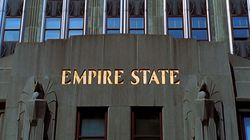
First transmitted in 2001, this programme chronicles the construction of the Empire State Building in New York, which was the world's tallest skyscraper when opened in 1931. The programme investigates thebuilding's history through interviews with the people who contributed to the construction of this iconic building.
Episode: 2001-01-19 | Airdate: Jan 19, 2001
Episode: 2001-01-26 | Airdate: Jan 26, 2001
Episode: 2001-02-02 | Airdate: Feb 2, 2001
Episode: 2001-02-09 | Airdate: Feb 9, 2001
Episode: 2001-02-16 | Airdate: Feb 16, 2001
Episode: 2001-05-11 | Airdate: May 11, 2001
Episode: 2001-05-18 | Airdate: May 18, 2001
Episode: 2001-05-25 | Airdate: May 25, 2001
Episode: 2001-06-01 | Airdate: Jun 1, 2001
Episode: 2001-06-08 | Airdate: Jun 8, 2001
Following guidelines described by the ancient author Vegetius nearly 2000 years ago, and supervised by historian Kate Gilliver, nine volunteers must learn from scratch to endure the harsh regime of the Romanarmy. The Roman army's success was founded on its superlative training and its discipline on the field of battle. The importance of being able to act as a unit is discussed, as are formations, amongst them the famous 'testudo', which is demonstrated.
Episode: 2001-08-23 | Airdate: Aug 23, 2001
Season 2002
Episode: 2002-01-04 | Airdate: Jan 4, 2002
Documentary about the much-debated first 30 years of Adolf Hitler's life, challenging the spurious facts asserted in his autobiography. Recent revelations suggest that Hitler was desperate to conceal a platonicaffair with a woman thought to be of Jewish origin, a year spent sleeping rough under Viennese bridges, and his impotent relations with women. Plus the evidence for and against Hitler's homosexuality.
Episode: 2002-01-11 | Airdate: Jan 11, 2002
Episode: 2002-01-18 | Airdate: Jan 18, 2002
Episode: 2002-02-01 | Airdate: Feb 1, 2002
Episode: 2002-02-08 | Airdate: Feb 8, 2002
Episode: 2002-04-19 | Airdate: Apr 19, 2002
Episode: 2002-05-04 | Airdate: May 4, 2002
Episode: 2002-05-10 | Airdate: May 10, 2002
Episode: 2002-08-09 | Airdate: Aug 9, 2002
Episode: 2002-08-16 | Airdate: Aug 16, 2002
Episode: 2002-09-06 | Airdate: Sep 6, 2002
Episode: 2002-12-14 | Airdate: Dec 14, 2002
Season 2003
Episode: 2003-01-10 | Airdate: Jan 10, 2003
Episode: 2003-01-17 | Airdate: Jan 17, 2003
Episode: 2003-01-24 | Airdate: Jan 24, 2003
Episode: 2003-01-31 | Airdate: Jan 31, 2003
Episode: 2003-02-07 | Airdate: Feb 7, 2003
Episode: 2003 Special | Airdate: Feb 28, 2003
A new analysis of Charlie Chaplin's satire of Adolf Hitler, "The Great Dictator", recounting the parallel lives of the two men, who were born in the same week. Narrated by Kenneth Branagh.
Episode: 2003-06-29 | Airdate: Jun 29, 2003
Episode: 2003-10-24 | Airdate: Oct 24, 2003
Episode: 2003-10-31 | Airdate: Oct 31, 2003
Episode: 2003-11-07 | Airdate: Nov 7, 2003
Episode: 2003-11-14 | Airdate: Nov 14, 2003
Episode: 2003-11-21 | Airdate: Nov 21, 2003
Episode: 2003-11-28 | Airdate: Nov 28, 2003
Episode: 2003-12-05 | Airdate: Dec 5, 2003
Season 2004
Episode: 2004-01-09 | Airdate: Jan 9, 2004
Episode: 2004-01-16 | Airdate: Jan 16, 2004
Episode: 2004-01-23 | Airdate: Jan 23, 2004
Episode: 2004-01-30 | Airdate: Jan 30, 2004
Episode: 2004-02-06 | Airdate: Feb 6, 2004
Episode: 2004-10-01 | Airdate: Oct 1, 2004
Episode: 2004-10-08 | Airdate: Oct 8, 2004
On 11 September, 1943, a small team of men set out on what official records described as 'the most daring attack of the Second World War'. The secret mission pitted just a handful of Britishvolunteers against an enemy several thousand strong. Crammed into four-man midget submarines, they battled for eleven days across treacherous Arctic seas. Their objective - an impregnable Norwegian fjord holding a foe one thousand four hundred times their size. The battleship Hitler called 'the Beast' - Tirpitz.
Episode: 2004-10-15 | Airdate: Oct 15, 2004
Episode: 2004-10-22 | Airdate: Oct 22, 2004
Documentary telling the story of the Black African Kingdom of Kush and its battles with ancient Egypt for supremacy of the Nile Valley. The kings of Kush ruled Egypt for 100 years and became the most powerfulemperors of the ancient world. Though archaeologists were convinced Kush's influence had been underestimated, they had lacked proof until the recent discovery of an inscription in a tomb that tells of an invasion by a Kushite army.
Episode: 2004-10-29 | Airdate: Oct 29, 2004
Episode: 2004-11-05 | Airdate: Nov 5, 2004
Exploring the crucial battle of Julius Caesar's bloody campaign to conquer Gaul in 52BC, where Caesar fought the Gaul leader Vercingetorix in one of the greatest sieges in history.
Season 2005
Episode: 2005-01-29 | Airdate: Jan 29, 2005
Episode: 2005-03-04 | Airdate: Mar 4, 2005
Episode: 2005-03-11 | Airdate: Mar 11, 2005
Episode: 2005-03-26 | Airdate: Mar 26, 2005
Episode: 2005-04-02 | Airdate: Apr 2, 2005
At 9am on 20 January 1607, a massive wave devastated the counties of the Bristol Channel. It came without warning, sweeping all before it. The flooding stretched inland as far as the Glastonbury Tor. Twohundred square miles of Somerset, Devon, Glamorganshire and Monmouthshire were inundated. Up to 2,000 people died. Yet for 400 years, the killer wave of 1607 has been forgotten. Timewatch relives the terror and the human tragedy of 1607 and follows the research of two scientists who are increasingly convinced that the wave was not simply a freak storm but a tsunami.
Episode: 2005-05-20 | Airdate: May 20, 2005
The Romans loved their bloody spectacles with gladiators and wild beasts, so they built amphitheatres all over their empire. In Britain there were at least 25 and the largest was in Chester, a fortress city ofhuge importance. What exactly did it look like and was it built by Emperor Vespasian, the man who built the Colosseum in Rome?
Episode: 2005-05-27 | Airdate: May 27, 2005
Two experts try to piece together how the biggest volcanic eruption ever recorded, at Mount Tambora in eastern Indonesia in 1815, brought about worldwide climate change and altered the lives of hundreds of thousands of people.
Episode: 2005-07-01 | Airdate: Jul 1, 2005
Episode: 2005-11-04 | Airdate: Nov 4, 2005
Episode: 2005-11-11 | Airdate: Nov 11, 2005
Episode: 2005-11-18 | Airdate: Nov 18, 2005
Episode: 2005-11-25 | Airdate: Nov 25, 2005
Documentary which looks at how, during WWII, the Americans tried to get inside the mind of Hitler by ordering a team of Harvard psychologists to draw up a profile of him.
Season 2006
Episode: 2006-01-20 | Airdate: Jan 20, 2006
Two crimes committed many years in the past are examined by a team of scientists. The victims are Bog Bodies - Celts perfectly preserved by the peat bog in which they had been buried. Timewatch was grantedexclusive access to film the entire investigation, and this compelling film follows the archaeologists as they establish who these men were, when they lived - and how they died.
Episode: 2006-01-27 | Airdate: Jan 27, 2006
Episode: 2006-02-03 | Airdate: Feb 3, 2006
Episode: 2006-02-24 | Airdate: Feb 24, 2006
Episode: 2006-03-03 | Airdate: Mar 3, 2006
Episode: 2006-03-10 | Airdate: Mar 10, 2006
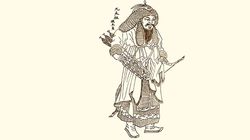
Documentary looking at the Secret History of the Mongols, said to have been written by Genghis Khan's adopted son, which reveals a very different man to the brutal butcher of Western legend. Not just awomaniser, but a devoted husband. Not just a warrior, but a politician. Not just a conqueror, but a legislator. A man who wanted the lessons he had learnt - good and bad - to be passed onto his successors. Within its pages lies the inside story of how an illiterate nomad inspired his successors to conquer the largest land empire the world has ever seen.
Episode: 2006-04-14 | Airdate: Apr 14, 2006
Episode: 2006-04-21 | Airdate: Apr 21, 2006
Episode: 2006-04-28 | Airdate: Apr 28, 2006
Episode: 2006-05-05 | Airdate: May 5, 2006
Episode: 2006-05-12 | Airdate: May 12, 2006
Episode: 2006-05-19 | Airdate: May 19, 2006
Documentary about Noor Inayat Khan, who in 1943 became the first woman wireless operator to be sent into war-torn France. It was the most dangerous job in SOE, Churchill's secret army, and she was not expected to survive long.
The daughter of an Indian mystic and a writer of children's stories in pre-war Paris, she was a curious choice for a secret agent, but became London's vital link with Nazi-occupied Paris. Betrayed, captured and tortured, Noor revealed nothing before she was executed. She was awarded the George Cross for her bravery.
Season 2007
Episode: 2007-01-05 | Airdate: Jan 5, 2007
Episode: 2007-01-12 | Airdate: Jan 12, 2007
Episode: 2007-01-19 | Airdate: Jan 19, 2007
Episode: 2007-01-26 | Airdate: Jan 26, 2007
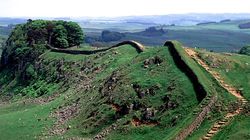
It is unique in the Roman World. A spectacular and complex stone barrier measuring 74 miles long, and up to 15 feet high and 10 feet thick. For 300 years Hadrian's Wall stood as the Roman Empire's most imposing frontier and one of the unsung wonders of the ancient world.
Almost 2,000 years after it was built, Hadrian's Wall is proving to be a magical time capsule - a window into the human past. Archaeologists have properly excavated less than 1per cent of it, but they have unearthed extraordinary findings. With presenter Julian Richards Timewatch journeys back through time to unlock the secrets of a lost world.
Episode: 2007-02-02 | Airdate: Feb 2, 2007
Episode: 2007-02-09 | Airdate: Feb 9, 2007
Episode: 2007-04-02 | Airdate: Apr 2, 2007
Episode: 2007-04-06 | Airdate: Apr 6, 2007
Episode: 2007-04-16 | Airdate: Apr 16, 2007
Documentary telling the stories of four children secretly hidden in France to avoid deportation to concentration camps during World War II. Award-winning director Jonathan Hacker accompanies these four survivors to their former hiding places of sixty years ago.
Episode: 2007-04-20 | Airdate: Apr 20, 2007
Episode: 2007-05-11 | Airdate: May 11, 2007
Documentary exploring the history of gladiators. Based on a study of thousands of bones found in a mass grave in Turkey, two forensic anthropologists reveal their scientific findings, helping to explain how gladiators lived, fought and died.
Episode: 2007-05-18 | Airdate: May 18, 2007
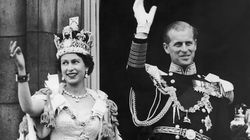
The coronation of Queen Elizabeth II on 2nd June 1953 was the greatest spectacle ever staged in Britain. Three million people lined the streets in London, 20 million people watched it on TV, and 17million people clubbed together to hold coronation parties. Told by the people who watched, shaped and recorded it, this Timewatch celebrates the coronation that was to mark the birth of a new Elizabethan Age.
Season 2008
Episode: 2008-01-05 | Airdate: Jan 5, 2008
Episode: 2008-01-06 | Airdate: Jan 6, 2008
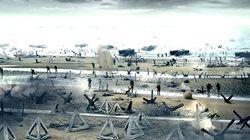
Researchers and historians are still arguing about why Omaha Beach was the hardest beach to capture in the D-day landings. Presenter Richard Hammond analyses the latest theories with Dr. Simon Trew of the Royal Military Academy, Sandhurst.
Episode: 2008-01-12 | Airdate: Jan 12, 2008
Episode: 2008-01-19 | Airdate: Jan 19, 2008
Episode: 2008-01-26 | Airdate: Jan 26, 2008
Episode: 2008-02-02 | Airdate: Feb 2, 2008
Episode: 2008-09-27 | Airdate: Sep 27, 2008
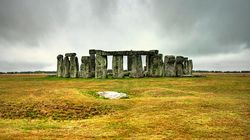
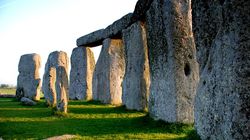
An investigation into a radical theory that Stonehenge, far from being a place of burial as is commonly assumed, was in fact a place of healing - a Bronze Age Lourdes. The investigation takes in forensictesting of bones excavated over the past decades and hard-won permission for the first dig in 50 years at the Henge, watched live online by millions of viewers around the world. Does the theory of the healing stones bear up to modern-day forensic science?
Episode: 2008-10-04 | Airdate: Oct 4, 2008
Episode: 2008-10-11 | Airdate: Oct 11, 2008
Episode: 2008-10-18 | Airdate: Oct 18, 2008
Kate Williams tells the story of how an unassuming little girl rose to be the most powerful woman in the world. At her birth few believed Princess Victoria would ascend the throne, but a number of untimelydeaths and the failure of her uncles to father any children meant that Victoria became heiress to the British throne. The battle between her and her mother the Duchess of Kent, however, was to become a fierce maternal struggle, as the duchess schemed to share in the power and riches that would one day be Victoria's.
Episode: 2008-11-01 | Airdate: Nov 1, 2008
Michael Palin tells the story of how the First World War ended on 11th November 1918 and reveals the shocking truth that soldiers continued to be killed in battle for many hours after the armistice had beensigned. Recounting the events of the days and hours leading up to that last morning, Palin tells the personal stories of the last soldiers to die as the minutes and seconds ticked away to the 11 o'clock ceasefire.
Season 2009
Episode: 2009-02-21 | Airdate: Feb 21, 2009
Episode: 2009-02-28 | Airdate: Feb 28, 2009
Episode: 2009-03-07 | Airdate: Mar 7, 2009
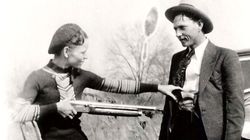
Hollywood portrayed them as the most glamorous outlaws in American history, but the reality of life on the run for Bonnie and Clyde was one of violence, hardship and danger.
With unprecedented access to gang members' memoirs, family archives and recently released police records, Timewatch takes an epic road trip through the heart of Depression-era America, in search of the true story of Bonnie and Clyde.
Episode: 2009-03-14 | Airdate: Mar 14, 2009
Episode: 2009-03-21 | Airdate: Mar 21, 2009
Edward Mannock VC and James McCudden VC rose from modest backgrounds to become two of Britain's greatest fighter aces in World War One.
As the number of their victories grew, so did their chances of dying inflames. Timewatch tells the story of their battle to survive against the odds, and of the 90-year-old mystery surrounding the death of one of them.
Episode: 2009-03-28 | Airdate: Mar 28, 2009
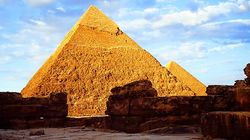
For centuries archaeologists have been trying to work out how the ancient Egyptians raised huge stone blocks to the top of the Great Pyramid.
This documentary presents a radical theory by French architect Jean-Pierre Houdin. He believes that an internal ramp was used, which is still inside the Pyramid waiting to be discovered. If he is right, it is the greatest discovery since Tutankhamun.
Episode: 2009-04-04 | Airdate: Apr 4, 2009
Episode: 2009-07-04 | Airdate: Jul 4, 2009
Episode: 2009-10-06 | Airdate: Oct 6, 2009
Season 2010
Episode: 2010-06-10 | Airdate: Jun 10, 2010
Historian Bettany Hughes unravels one of the most intriguing mysteries of all time. She presents a series of geological, archaeological and historical clues to show that the legend of Atlantis was inspired by a real historical event, the greatest natural disaster of the ancient world.
Season 2011
Episode: 2011-10-25 | Airdate: Oct 25, 2011
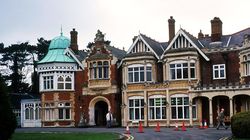
Documentary that reveals the secret story behind one of the greatest intellectual feats of World War II, a feat that gave birth to the digital age. In 1943, a 24-year-old maths student and a GPO engineercombined to hack into Hitler's personal super-code machine - not Enigma but an even tougher system, which he called his 'secrets writer'. Their break turned the Battle of Kursk, powered the D-day landings and orchestrated the end of the conflict in Europe. But it was also to be used during the Cold War - which meant both men's achievements were hushed up and never officially recognised.
Episode: 2011-11-01 | Airdate: Nov 1, 2011
Episode: 2011-11-08 | Airdate: Nov 8, 2011
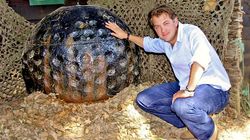
James Holland presents an analysis of the legendary 1943 Dam Busters raid, a low-level night mission that took 19 Lancaster bombers deep into the heart of enemy territory to destroy German dams with a brand newweapon - the bouncing bomb.
Episode: 2011-11-15 | Airdate: Nov 15, 2011
Following on from his documentary Operation Mincemeat, based on his book of the same name, writer and presenter Ben MacIntyre returns to the small screen to bring to life his other bestselling book - Agent Zigzag.
As part of the Timewatch series, MacIntyre reveals the gripping true story of Britain's most extraordinary wartime double agent, Eddie Chapman. A notorious safe-breaker before the war, Chapman duped the Germans so successfully that he was awarded their highest decoration, the Iron Cross. He remains the only British citizen ever to win one.
Including remarkable and newly discovered footage from an interview Chapman gave three years before his death in 1997, the programme goes on the trail of one of Britain's most unlikely heroes - a story of adventure, love, intrigue and astonishing courage.
Season 2015
Episode: 2015-02-03 | Airdate: Feb 3, 2015
Historian Dan Snow explores the greatest maritime archaeology project in British history - the Mary Rose. Using 40 years of BBC archive footage Dan charts how the Mary Rose was discovered, excavated and eventually raised, and what the latest research has revealed about this iconic ship and her crew. Dan also investigates how the Mary Rose project helped create modern underwater archaeology, examining the techniques, challenges and triumphs of the divers and archaeologists involved.
Episode: 2015-02-10 | Airdate: Feb 10, 2015
Using the BBC film archives, historian Vanessa Collinridge explores how our view of Cleopatra has changed and evolved over the years - from Roman propaganda, through Shakespeare's role in casting her as a doomed romantic heroine, to her portrayal in the golden age of Hollywood.
Episode: 2015-02-17 | Airdate: Feb 17, 2015
Using 50 years of BBC history archive film, Dr Alice Roberts explores how our views and understanding of Roman Britain have changed and evolved over the decades.
Along the way she investigates a diverse range of subjects from the Roman invasion, through Hadrian's Wall, the Vindolanda tablets and the eventual collapse of Roman rule. Drawing on the work of archaeologists and historians throughout the decades, Alice uncovers how and why our views of this much-loved period of our history have forever been in flux.
Season 2016
Episode: 2016-01-27 | Airdate: Jan 27, 2016
Using 70 years of BBC history archive film, Professor Alice Roberts uncovers how the iconic ancient monument of Stonehenge has been interpreted, argued over and debated by some of Britain's leading historians and archaeologists. She reveals how new discoveries would discredit old theories, how astronomers and geologists became involved in the story and why, even after centuries of study, there's still no definitive answer to the mystery of Stonehenge.
Episode: 2016-02-03 | Airdate: Feb 3, 2016
Historian Dr. Thomas Asbridge explores the BBC's archive to reveal how television's telling of the Crusades has changed over the last 60 years. Using footage from Crusade documentaries shot during the Vietnam era, the Palestinian Crisis, the First Gulf War and the more recent War on Terror, he reveals how our interpretation of this medieval story has been influenced by modern political and social change. Thomas highlights the alternative Arabic perspectives on the Crusades, and asks whether this 1,000-year-old story really does cast its long shadow over the modern world, as so many have claimed.
Episode: 2016-02-10 | Airdate: Feb 10, 2016
Vanessa Collingridge examines the life of Elizabeth Tudor, with particular interest in how documentary television and the BBC has examined her legacy and interrogated her reign. Using Timewatch and other BBC archive stretching back over 60 years, Vanessa looks at her upbringing, her conflicts with her enemies including Mary, Queen of Scots, and her greatest victory against the Spanish Armada. The programme seeks to understand how Elizabeth I created a legacy that we still live with today, and examines how that legacy has changed over the centuries.
Episode: 2016-02-25 | Airdate: Feb 25, 2016
Professor Saul David uses the BBC archive to chart the history of the world's most destructive war, by chronicling how the story of the battle has changed. As new information has come to light, and forgotten stories are remembered, the history of World War Two evolves. The BBC has followed that evolution, and this programme examines the most important stories, and how our understanding of them has been re-defined since the war ended over 70 years ago.
Episode: 2016-11-08 | Airdate: Nov 8, 2016
From the death penalty, to laws against homosexuality, Britain's criminal justice system has undergone momentous change in the last 70 years.
In this Timewatch guide to Crime and Punishment, presenter Gabriel Weston examines how television has played a crucial role in documenting these seismic shifts in British law and policing.
Looking back through the Timewatch back catalogue of documentaries and a host of BBC archive rarities, Gabriel discovers how historians and filmmakers have not only chronicled these profound changes in law but also managed to shape public opinion.
By highlighting miscarriages of justice, like that of the wrongful imprisonment of the Birmingham Six, or by shining a spotlight on other issues of corruption and damning flaws in police procedures, Gabriel finds that television actually became a powerful agent for change.
Episode: 2016-11-15 | Airdate: Nov 15, 2016
We are living through one of the greatest revolutions in history. One that has changed how we live in Britain forever, and yet many of us don't even notice it is happening. This revolution is the ongoing transformation of the rights and role of women. Historian and broadcaster Helen Castor examines the fundamental shifts that have taken place in Great Britain in this Timewatch Guide to Women, Sex and Society. Drawing on the Timewatch strand through the years plus decades of BBC archive, Helen investigates how this period of tumultuous change in our culture has been documented on television. From the heroic suffragette struggle for the female vote in the early part of the last century, right through the social and sexual rebellion of the 1960s and beyond, Helen explores how change has been driven by successive waves of feminism and activism, with each wave redefining what women want.
Episode: 2016-11-22 | Airdate: Nov 22, 2016
Military historian Saul David draws on classic Timewatch documentaries and a wide range of BBC archive to examine how television has portrayed Russia through the years. At the outbreak of war in 1939, wondering whether Russia would join the fight with the Allies, Sir Winston Churchill famously described this nation as 'a riddle wrapped in a mystery inside an enigma'. These words have almost come to define Britain's view of Russia ever since; an inscrutable power that always plays by its own rules. From our trusted World War II ally to the red oppressor of the Cold War, from a potential free-market friend when Communism crumbled to a new 21st-century foe under Putin, Russia has swung from friend to foe and back again - either way, we find it incredibly hard to understand her.
Season 2017
Episode: 2017-02-01 | Airdate: Feb 1, 2017
Less than 100 years ago, the British ruled a quarter of the planet and one in five of the global population. Once, people were proud to call themselves imperialists, but now, to many, that seems like a badge ofshame.
In this Timewatch guide, David Olusoga examines not whether the British Empire was a force for good or ill, but rather how it has been portrayed on British television over the last 70 years.
Drawing on decades of the documentary series Timewatch, plus many other gems from the BBC archive, David sees how Britain's Caribbean colonies grew rich on slave labour, how chaos gripped India post-independence, and how Africa was plundered for her mineral wealth.
David investigates how film-makers through the years have represented the actions and legacy of Britain's period as the world's ultimate superpower. It used to be said that the sun would never set on the British Empire - now, long after it's gone, the arguments surrounding it are very far from being settled.
Episode: 2017-07-13 | Airdate: Jul 13, 2017
From earthquakes to tsunamis to volcanic eruptions, natural disasters are both terrifying and fascinating - providing endless fresh material for documentary makers. But how well do disaster documentaries keep pace with the scientific theories that advance every day?
To try and answer that question, Professor Danielle George is plunging into five decades of BBC archive. What she uncovers provides an extraordinary insight into one of the fastest moving branches of knowledge. From the legendary loss of Atlantis to the eruption that destroyed Pompeii, Danielle reveals how film-makers have changed their approach again and again in the light of new scientific theories.
While we rarely associate Britain with major natural disaster, at the end of the programme Danielle brings us close to home, exploring programmes which suggest that 400 years ago Britain was hit by a tidal wave that killed hundreds of people, and that an even bigger tsunami could threaten us again.
Episode: 2017-07-18 | Airdate: Jul 18, 2017
On June 8th 793 Europe changed, forever. The famous monastery at Lindisfarne on the Northumbrian coast was suddenly attacked and looted by seafaring Scandinavians. The Viking Age had begun.
Professor Alice Roberts examines how dramatically the story of the Vikings has changed on TV since the 1960s. She investigates how our focus has shifted from viewing them as brutal, pagan barbarians to pioneering traders, able to integrate into multiple cultures. We also discover that without their naval technology we would never have heard of the Vikings, how their huge trading empire spread, and their surprising legacy in the modern world.
Episode: 2017-07-25 | Airdate: Jul 25, 2017
In recent years the world has become an unsettling place, from the mass movements of refugees to political upheaval, both in this country and abroad.
Disturbingly, history shows that it's at unsettled times like this that dictators can rise - leaders who promise they can solve every problem, if only they're granted supreme power.
David Olusoga examines fifty years of BBC documentary archives to try and discover why dictators can have such a powerful appeal.
David uncovers the surprising optimism felt by the West towards men like Gaddafi and Mugabe early in their regimes, and examines the events that turned this optimism into horror. He questions why such men continue to fascinate us regardless of their actions, and asks whether, especially in an age of mass media, our fascination has fed their power.
Episode: 2017-08-01 | Airdate: Aug 1, 2017
For centuries the story of exploration has been packed with incredible tales of adventure, but the last fifty years has seen a dramatic shift in our attitude towards explorers.
To find out how television has reflected this, Prof Fara Dabhoiwala delves into the BBC television archives, revealing that the pace of this change was faster than you would imagine. In the 1960s the BBC was still making programmes showing Christopher Columbus as an uncomplicated conquering hero. Barely a decade later, it made a documentary that delved into museum storerooms packed with artifacts brought back to Britain by Captain Cook, focusing on the perspective of the explored rather than the explorer.
As the story of exploration became as much about social calamity as conquest, television has been forced to find new ways to portray explorers. By the 21st century this included everything from focusing on adventurers like Ernest Shackleton, famous not for conquest but for saving the lives of his men, to using new technology to demystify exploration by making programmes from material shot by the explorers themselves.